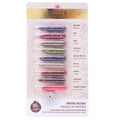
Collection: Face Masks – Clays and Ayurvedic Herbs
Face Masks – Clays and Ayurvedic Herbs
×A powder mask is one of the simplest forms of Ayurvedic care: a clay or herb that you mix with water or rose water just before use. This collection includes six masks: multani mitti clay, Morimoro with rhassoul clay, neem, tulsi, amla and manjistha. Below we explain which one to choose for which skin type and how to prepare it.
How to choose a face mask
- Multani mitti – 100% powdered Fuller's earth. A cleansing clay recommended for oily and blemish-prone skin. It brightens the complexion and tones the skin.
- Morimoro – a blend of herbs and rhassoul clay: moringa, turmeric, vetiver, fenugreek, licorice and oat flour. It brightens, evens out skin tone and has soothing and moisturizing properties.
- Neem – powdered leaves of the neem tree, used in Ayurveda for centuries in the care of blemish-prone skin.
- Tulsi – powdered holy basil leaves. It mattifies oily skin and works well as a cleansing step before makeup.
- Amla – powdered Indian gooseberry fruit, a traditional ingredient in Ayurvedic skin and hair care.
- Manjistha – powdered root of Rubia cordifolia (madder). For oily and combination skin.
Which mask to choose for which skin type
- Oily and blemish-prone skin: multani mitti, neem, tulsi, manjistha.
- Dullness and uneven skin tone: Morimoro.
- Dry or sensitive skin: start with Morimoro mixed with yogurt or rose water, and don't let the mask dry out completely on your skin.
How to prepare and use a mask
- Cleanse your face.
- Mix the amount of powder you need with water or rose water into a smooth paste. You can also mix Morimoro with yogurt.
- Apply the paste to your face, avoiding the eye area.
- Leave on for 15–20 minutes. Rinse clays off while they're still slightly damp; don't wait until they've hardened completely.
- Rinse with warm water and apply a toner, serum or cream.
Before first use, do a patch test on a small area of skin.
Frequently asked questions
How often should I use a clay mask?
Once a week is enough, or up to twice a week for oily skin. Clay can be drying, so apply a cream or oil after the mask.
What is multani mitti?
It's the Indian name for Fuller's earth, a natural cleansing clay. Our mask is 100% powder, with no additives.
How is rhassoul clay different from multani mitti?
Rhassoul (ghassoul) comes from Morocco, while multani mitti comes from India. Both cleanse, but multani mitti is traditionally recommended for oily skin, and Morimoro, with rhassoul clay and herbs, for brightening and evening out skin tone.
Can I use rose water instead of water?
Yes, rose water or plain water is exactly what's recommended for multani mitti, Morimoro and manjistha. Rose water also tones the skin.
Can these powders be used on hair?
Neem, tulsi, amla and manjistha are also hair care herbs, but each one is prepared differently. Check the instructions on the packaging.
See also: Face Wash Gels · Toners and Rose Water · For Blemishes · Dark Spots and Radiance


Amla powdered Indian gooseberry fruit


Morimoro Natural Face Mask with Clay and Herbs


Powdered manjistha (rubia)


See also:

Diet and supplementation

Ayurvedic Cosmetics

Incense and Aromatherapy

ECOCERT COSMOS certified cosmetics